First Featured Women
.jpg/:/cr=t:0%25,l:0%25,w:100%25,h:100%25/rs=h:100,cg:true)


About Her Utah Legacy

Emmeline B. Wells
Mignon Barker Richmond
Emmeline B. Wells
H Emmeline B. Wells was a thinker and a leader. No Utahn fought more for the suffrage cause than she did. An early advocate of women’s rights, from 1877 to 1914 she was the editor of the Woman’s Exponent, a twice-monthly periodical produced by Mormon women. Besides reporting news of the Relief Society (the LDS Church’s women’s organizatio
H Emmeline B. Wells was a thinker and a leader. No Utahn fought more for the suffrage cause than she did. An early advocate of women’s rights, from 1877 to 1914 she was the editor of the Woman’s Exponent, a twice-monthly periodical produced by Mormon women. Besides reporting news of the Relief Society (the LDS Church’s women’s organization), the Exponent championed women’s economic, educational, and suffrage rights. Though Emmeline was small, she wielded great power through her pen, writing many articles that spoke for women’s rights, especially a woman’s right to vote and run for public office.
Chipeta
Mignon Barker Richmond
Emmeline B. Wells
Chipeta, “White Singing Bird,” was adopted and raised by the Uncompahgre Utes of present-day central Colorado after her Kiowa Apache parents were killed. She became skilled in the Ute tradition of beadwork and tanning hides, played the guitar, and sang in three languages. After marrying Ute Chief Ouray, she became his advisor and confidan
Chipeta, “White Singing Bird,” was adopted and raised by the Uncompahgre Utes of present-day central Colorado after her Kiowa Apache parents were killed. She became skilled in the Ute tradition of beadwork and tanning hides, played the guitar, and sang in three languages. After marrying Ute Chief Ouray, she became his advisor and confidant, often sitting beside him at tribal council meetings when it was not usual for women to attend. Together, they worked for better conditions for the Ute people and strived to live peacefully with white settlers.
Mignon Barker Richmond
Mignon Barker Richmond
Mignon Barker Richmond
Mignon Barker was born on April 1, 1897 in Salt Lake City. Her parents were William Barker and Mary Alice Reagan Barker, who met while working at a Salt Lake City hotel. Mary was an English woman from London and William was born into slavery in Missouri. He ran away and joined the Union Army during the Civil War when he was 18, serving a
Mignon Barker was born on April 1, 1897 in Salt Lake City. Her parents were William Barker and Mary Alice Reagan Barker, who met while working at a Salt Lake City hotel. Mary was an English woman from London and William was born into slavery in Missouri. He ran away and joined the Union Army during the Civil War when he was 18, serving as a drummer before he was captured and returned to his owner. He later escaped and eventually moved to Utah. Mignon’s parents married and had one son, who died when Mignon was young, as well as a younger daughter named Mary.
Alice Kasai
Fanny Brooks
Mignon Barker Richmond
Alice was born in Seattle, Washington on September 17, 1916, to Eiji Iwamoto and Suga Fukusho. Conditions in America were difficult for Japanese immigrants, so her mother brought Alice to Japan as a young baby to live with her grandmother for the first six years of her life. When she was brought back to the United States, she joined her f
Alice was born in Seattle, Washington on September 17, 1916, to Eiji Iwamoto and Suga Fukusho. Conditions in America were difficult for Japanese immigrants, so her mother brought Alice to Japan as a young baby to live with her grandmother for the first six years of her life. When she was brought back to the United States, she joined her family in Utah where they had moved to work in the Latuda mines. As a civil rights leader in Utah, Alice Kasai devoted her life to empowering, mentoring, and advocating for the rights of Japanese Americans and other disfranchised groups.
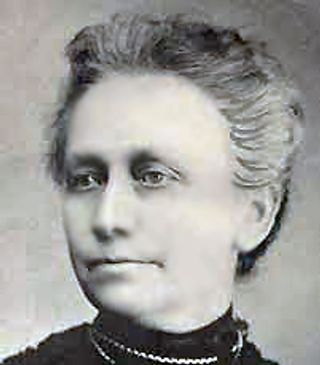
Fanny Brooks
Fanny Brooks
Fanny Brooks
Fanny Brooks, the first Jewish woman to settle in Utah, gained prominence as a successful businesswoman in the new territory. Energetic, diplomatic, and resilient, Fanny became an influential member of Salt Lake City’s economic, religious, and social community.
Isabella Bruck was born to Joseph and Johannah Bruck in Schweidnitz, Germany in
Fanny Brooks, the first Jewish woman to settle in Utah, gained prominence as a successful businesswoman in the new territory. Energetic, diplomatic, and resilient, Fanny became an influential member of Salt Lake City’s economic, religious, and social community.
Isabella Bruck was born to Joseph and Johannah Bruck in Schweidnitz, Germany in 1836. She was known by the nickname “Fanny” throughout her life and anglicized her last name to Brooks after her marriage. Fanny received a good education and completed school with high honors, spoke German and French as well as some English, and played guitar and piano. In 1853, her uncle Julius Gerson Brooks returned to Germany with tales of the riches and beauty of America.
Support Her Utah Legacy Today

Click or scan the QR Code to participate in a survey
None of your responses are binding and your future involvement would be contingent upon several factors, including:
1) Formal approval of the project by the Utah State Capitol Preservation Board,
2) Final project design, timing, and scope,
3) Mutually acceptable arrangements regarding recognition and charitable terms, and
4) The level of my philanthropic availability at the time funding is required.